Sage Butter Chicken Delight
Sage Butter Chicken Delight is a creamy and aromatic dish that brings together the rich flavors of sage and butter. This delectable recipe is perfect for a cozy dinner or a special gathering. With its easy preparation and delicious taste, it's sure to impress your family and friends. Enjoy the comfort of American cuisine with each savory bite!


Why This Sage Butter Chicken Delight Recipe Works
This Sage Butter Chicken Delight stands out due to its rich, creamy sauce complemented by the earthy notes of sage. By searing the chicken first, you lock in moisture and flavor, creating a tender and juicy dish. The combination of butter and cream enriches the sauce, making every bite a delightful experience.
The flavor profile balances savory and creamy elements, with a subtle herbaceous note from the sage. The cooking method allows the chicken to absorb the sauce while keeping it perfectly moist. This dish is not only delicious but also presents beautifully, making it ideal for entertaining.
💡 Professional Tip
For the best results, use fresh sage leaves rather than dried for a more vibrant flavor. Also, ensure the chicken is properly coated to achieve a crispy texture before adding it to the sauce.
Frequently Asked Questions
Yes, you can prepare the chicken and sauce separately in advance. Simply store them in airtight containers in the refrigerator. Reheat gently before serving to maintain the creamy texture.
You can use half-and-half or whole milk for a lighter version, but the sauce may not be as rich. For a dairy-free option, consider using coconut milk or cashew cream.
Searing the chicken in a skillet allows for maximum flavor development. Alternatively, you can bake the chicken and then add it to the sauce, but this method may yield less crispy results.
To avoid dry chicken, ensure not to overcook it during the searing process. Use a meat thermometer to check for doneness; chicken should be cooked to an internal temperature of 165°F.
The chicken should be golden brown on the outside and tender throughout. The sauce should be thick enough to coat the back of a spoon without being too gloppy.
This dish pairs wonderfully with fluffy rice or buttery mashed potatoes. Steamed vegetables or a fresh salad also complement the meal beautifully.
Yes, you can add crushed red pepper flakes or a dash of cayenne pepper to the sauce for a spicy kick. Adjust the amount according to your heat preference.
Store leftovers in an airtight container in the refrigerator for up to 3 days. Reheat gently in a skillet over low heat to avoid separating the sauce.
Recipe Troubleshooting Guide
Chicken Not Browning
Problem: If the chicken does not brown, it may be due to overcrowding the pan.
Solution: Cook the chicken in batches to allow for even browning and optimal flavor development.
Sauce Too Thin
Problem: If the sauce is too thin, it may not have simmered long enough.
Solution: Let the sauce simmer for a bit longer to thicken, or add a slurry of cornstarch and water to achieve the desired consistency.
Too Much Salt
Problem: If the dish is overly salty, it can be unpalatable.
Prevention: To balance the saltiness, add a splash of cream or a little sugar to mellow the flavors.
Lack of Flavor
Problem: If the dish tastes bland, it may need more seasoning.
Recovery: Enhance the flavor by adding more herbs or a squeeze of lemon juice to brighten it up.
Overcooked Chicken
Problem: Overcooked chicken becomes dry and tough.
Prevention: Use a meat thermometer and remove the chicken from heat as soon as it reaches 165°F to ensure perfect juiciness.
Flavor Balance Issues
Too Sweet: If the dish is too sweet, add a pinch of salt to balance flavors.
Too Salty: If too salty, try adding a splash of cream to mellow the flavor.
Bland: If bland, consider adding herbs, spices, or a splash of vinegar for acidity.
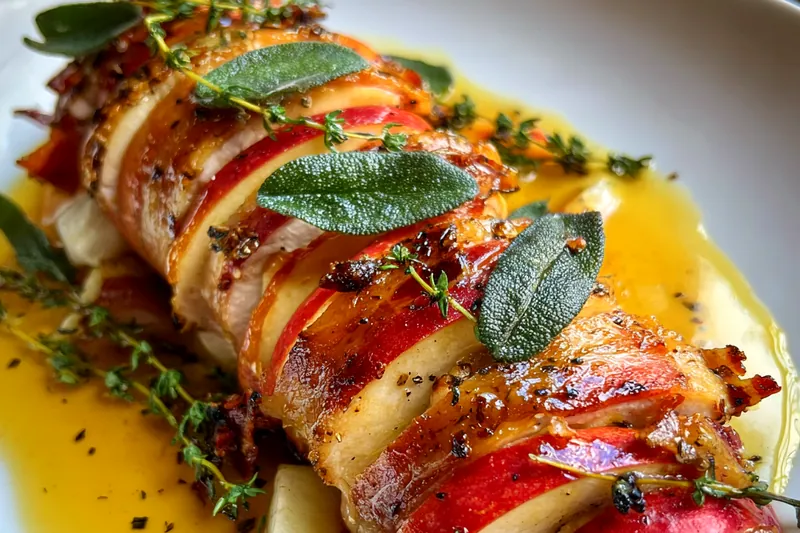
Choosing the Best Ingredients for Sage Butter Chicken Delight
Selecting high-quality chicken is crucial for this recipe; look for organic or free-range options for better flavor and texture. Fresh sage, preferably whole leaves, will provide the most aromatic punch and vibrant flavor.
Ensure that your butter is unsalted to control the level of salt in the dish. Use heavy cream for a rich sauce, and avoid substitutes that might not provide the same thickness or creaminess.
Essential Ingredient Notes
- Chicken Breast: Opt for fresh chicken breast that is free of additives for the best flavor. Organic chicken tends to be more tender and flavorful.
- Fresh Sage: Fresh sage provides a robust flavor that dried versions cannot match. Look for vibrant green leaves without blemishes.
- Unsalted Butter: Using unsalted butter allows you to control the seasoning of the dish better. It also contributes to the richness of the sauce without excess salt.
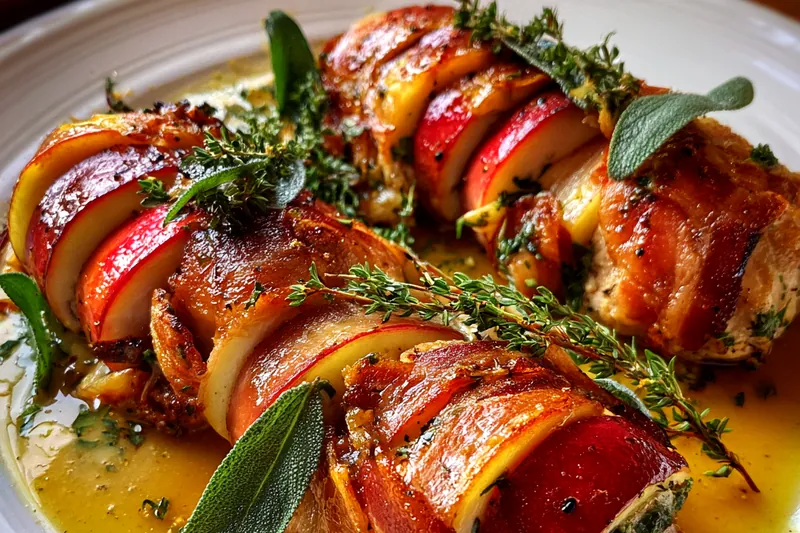
Mastering the Cooking Technique
Searing the chicken is essential for developing a rich flavor base; ensure the oil is hot enough before adding the chicken. This technique locks in moisture and creates a delicious crust.
Timing is crucial; monitor the chicken closely to avoid overcooking. The sauce should be thick yet pourable, and it should coat the back of a spoon when ready.
The Secret to Perfect Sage Butter Chicken Delight
Achieving the ideal balance of flavors comes from allowing the sauce to simmer and meld with the chicken. This step is key to infusing the dish with that signature sage flavor.
Sage Butter Chicken Delight
📋 Ingredients
Sauce/Seasoning
- 2 tablespoons olive oilFor sautéing and flavor
- 1 tablespoon fresh sage, choppedFor a robust, herbal note
- 1/2 cup unsalted butterAdds richness to the sauce
- 1 teaspoon garlic powderEnhances the aromatic flavor
- 1 teaspoon onion powderAdds subtle sweetness
- 1/2 cup heavy creamCreates a luscious sauce
- Salt and pepper to tasteEssential for seasoning
Main Protein
- 2 lbs chicken breastCut into 1-inch pieces for even cooking
- 1 cup all-purpose flourFor coating the chicken
- 1 teaspoon paprikaAdds a bit of color and flavor
- 1 tablespoon fresh parsleyFor garnish and freshness
Instructions
Prepare the Ingredients
Gather all ingredients and measure them accurately. Pat the chicken pieces dry with paper towels to ensure better browning.
Heat the Pan
Place a large skillet over medium-high heat. Add olive oil and wait until it shimmers before proceeding.
Coat the Chicken
In a shallow dish, combine flour, paprika, salt, and pepper. Dredge the chicken pieces in the flour mixture, shaking off any excess.
Sear the Chicken
Add the coated chicken to the hot skillet. Cook for about 5-7 minutes on each side until golden brown and cooked through. Remove the chicken and set aside.
Prepare the Sauce
In the same skillet, reduce heat to medium and add unsalted butter. Once melted, add chopped sage, garlic powder, onion powder, and stir well.
Create the Creamy Mixture
Pour in the heavy cream and stir continuously until the sauce thickens slightly. Season with salt and pepper to taste.
Combine Chicken with Sauce
Return the seared chicken to the skillet and coat it evenly with the creamy sage butter sauce. Let it simmer for 5 minutes to absorb the flavors.
Garnish and Serve
Remove from heat, garnish with freshly chopped parsley, and serve hot with your choice of sides like rice or vegetables.
Recipe Notes & Tips
Make-Ahead Instructions
You can prepare the chicken and sauce separately in advance. Simply store them in airtight containers in the refrigerator.
Serving Suggestions
This dish pairs wonderfully with fluffy rice or buttery mashed potatoes. Steamed vegetables or a fresh salad also complement the meal beautifully.
Recipe Variations
Feel free to add spices such as cayenne or crushed red pepper for some heat. You can also substitute the chicken with shrimp or tofu for a different twist.