Herb Butter Beef Tenderloin
Herb Butter Beef Tenderloin is a show-stopping dish that's perfect for special occasions or a quiet family dinner. The combination of tender, juicy beef and flavorful herb butter creates a symphony of taste that will leave everyone asking for seconds. This recipe is not only easy to follow but also ensures impressive results every time. Let's dive into the delicious world of gourmet cooking right from your own kitchen.

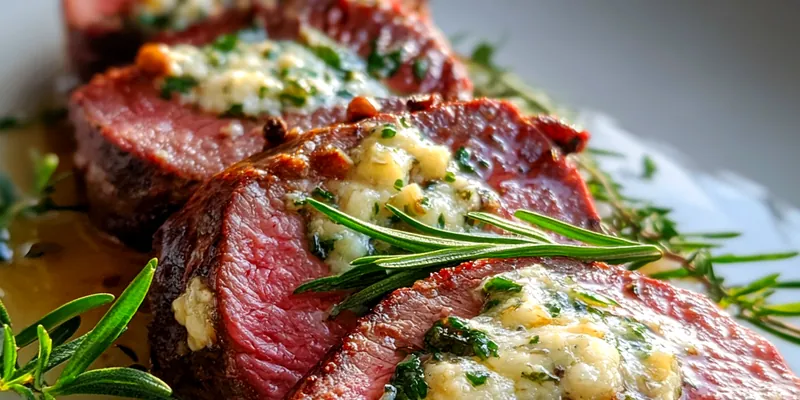
Why This Herb Butter Beef Tenderloin Recipe Works
This recipe for Herb Butter Beef Tenderloin is designed to enhance the natural flavors of the beef with a rich, herb-infused butter. The ingredients are simple yet effective, creating a dish that feels luxurious without being overly complex. The tenderloin's natural juiciness paired with the herb butter ensures every bite is packed with flavor.
The technique of searing the beef first locks in the juices, while baking allows it to cook evenly. The herb butter not only adds moisture but also creates a beautiful crust that elevates the dish's presentation. Follow the steps, and you'll achieve restaurant-quality results right at home.
💡 Professional Tip
For the best results, always allow your beef to come to room temperature before cooking. This ensures even cooking and optimal tenderness. Additionally, using a meat thermometer will help you achieve the desired doneness without overcooking the tenderloin.
Frequently Asked Questions
Yes, you can prepare the herb butter up to a day in advance and store it in the refrigerator. You can also season the tenderloin ahead of time and keep it wrapped in plastic wrap. However, it's best to cook the tenderloin fresh for optimal texture and flavor.
If you don't have fresh herbs, you can use dried herbs instead, but remember to use about one-third of the amount as dried herbs are more concentrated. Alternatively, you can use a pre-mixed herb blend to simplify the process.
The best way to determine doneness is to use a meat thermometer. For medium-rare beef, aim for an internal temperature of 130°F (54°C). Remember that the meat will continue to cook a bit while resting, so removing it from the oven a few degrees early is advisable.
Yes, you can freeze the cooked beef tenderloin. Wrap it tightly in plastic wrap and then in aluminum foil or place it in an airtight container. It can last in the freezer for up to 3 months. Thaw in the refrigerator before reheating.
This dish pairs beautifully with roasted vegetables, mashed potatoes, or a fresh green salad. A nice red wine complements the robust flavors of the beef, making for a delightful dining experience.
Cooked beef tenderloin can be stored in the refrigerator for up to 3-4 days. Ensure it's kept in an airtight container to maintain freshness and prevent the meat from drying out.
You can prepare the herb butter and season the beef ahead of time. However, it’s recommended to cook the tenderloin just before serving for the best texture. If storing, reheat gently to preserve tenderness.
To reheat, preheat your oven to 250°F (120°C). Place the sliced tenderloin in a baking dish and cover it with foil to prevent drying out. Heat until warmed through, about 15-20 minutes, depending on the thickness of the slices.
Recipe Troubleshooting Guide
Too Dry
Problem: The beef tenderloin can turn out dry if overcooked.
Solution: To avoid dryness, use a meat thermometer to monitor the internal temperature and remove the beef from the oven once it reaches your desired doneness.
Not Crispy Enough
Problem: The exterior may not develop a nice crust if not seared properly.
Solution: Ensure to sear the tenderloin on high heat until a golden crust forms before transferring it to the oven for baking.
Overcooked
Problem: Overcooking can lead to a tough texture.
Prevention: To prevent overcooking, watch the cooking time closely and use a meat thermometer to check for doneness.
Undercooked Center
Problem: The center may remain rare while the outer parts are cooked.
Recovery: If you find the center undercooked, return the tenderloin to the oven in 5-minute increments until the desired doneness is achieved.
Burnt Exterior
Problem: The outer layer might burn if the heat is too high or left too long.
Prevention: Reduce the heat after searing if necessary, and keep an eye on the cooking process to prevent burning.
Flavor Balance
Too Sweet: If the dish is too sweet, consider adding a splash of vinegar or lemon juice to balance the flavors.
Too Salty: If it’s too salty, adding a bit of unsalted butter can help dilute the saltiness.
Bland: If the dish is too bland, enhance the flavors with additional herbs or a sprinkle of seasoning.

Essential Ingredients for Herb Butter Beef Tenderloin
The key ingredients for this dish include a high-quality beef tenderloin, fresh herbs, and butter. The tenderloin should be well-marbled for the best flavor and tenderness. Fresh herbs like rosemary, thyme, and parsley not only add flavor but also brightness to the dish.
Using unsalted butter allows you better control over the seasoning of the dish. Fresh ingredients are crucial for maximizing the flavors, so opt for organic produce when possible to enhance the overall taste.
Essential Ingredient Notes
- Beef Tenderloin: Choose a tenderloin that is bright red with a good amount of marbling. This fat will render during cooking, keeping the meat juicy and flavorful.
- Fresh Herbs: Fresh herbs can make a significant difference in flavor. Look for vibrant, fragrant herbs and store them properly to maintain their freshness until use.
- Unsalted Butter: Using unsalted butter allows you to control the salt content in your dish. Make sure to let the butter come to room temperature for easy mixing and spreading.

Step-by-Step Cooking Process
Cooking Herb Butter Beef Tenderloin involves a simple yet effective process that yields delicious results. Start by preparing your herb butter mix, which is essential for flavor. Searing the beef locks in the juices, while baking helps achieve the perfect doneness.
The key to success lies in monitoring the temperature and resting the meat after cooking. This allows the juices to redistribute, leading to a tender and flavorful dish. With these steps, you can easily impress guests with a truly gourmet meal.
Key Technique for Perfect Herb Butter Beef Tenderloin
The most important technique in this recipe is the initial searing of the beef tenderloin. This not only creates a flavorful crust but also helps to lock in moisture. Always ensure your skillet is hot enough before adding the meat, and don't crowd the pan to maintain high heat.
Herb Butter Beef Tenderloin
📋 Ingredients
Main Ingredients
- 1 cup butterRoom temperature
- 3 cloves garlicMinced
- 2 tablespoons fresh rosemaryMinced
- 2 tablespoons fresh thymeMinced
- 2 tablespoons fresh parsleyMinced
For the Sauce
- 2 lbs beef tenderloinTrimmed
- Salt and pepperTo taste
- 1 tablespoon olive oilFor searing
- 1 teaspoon Dijon mustardFor flavor
- 1 tablespoon Worcestershire sauceFor depth of flavor
- 1 tablespoon lemon juiceFor brightness
- 1 teaspoon paprikaFor color
- 1 teaspoon onion powderFor flavor
Instructions
Prepare the Herb Butter
In a bowl, mix the softened butter, garlic, rosemary, thyme, parsley, salt, pepper, Dijon mustard, Worcestershire sauce, lemon juice, and paprika until well combined.
Prep the Tenderloin
Trim any excess fat from the beef tenderloin and season generously with salt and pepper.
Sear the Tenderloin
In a large skillet, heat the olive oil over medium-high heat. Sear the tenderloin on all sides until browned, about 3-4 minutes per side.
Add Herb Butter
Transfer the tenderloin to a baking dish and spread half of the herb butter mixture over the top.
Bake the Tenderloin
Bake in a preheated oven at 400°F (200°C) for 25-30 minutes, or until the internal temperature reaches 130°F (54°C) for medium-rare.
Rest the Meat
Remove from the oven and let the tenderloin rest for 10 minutes before slicing.
Serve
Slice the beef tenderloin and serve with the remaining herb butter on top.
Garnish and Enjoy
Garnish with additional fresh herbs if desired and enjoy your meal.
Recipe Notes & Tips
Storage Tips
To store leftover Herb Butter Beef Tenderloin, wrap it tightly in plastic wrap or place it in an airtight container to keep it fresh. It can be stored in the refrigerator for up to 3-4 days. When reheating, ensure to use gentle heat to prevent drying out the meat.
Serving Suggestions
Serve Herb Butter Beef Tenderloin alongside creamy mashed potatoes, roasted vegetables, or a fresh garden salad. Pairing it with a robust red wine will enhance the dining experience and complement the flavors of the dish.
Recipe Variations
For a twist on this classic, try adding different herbs such as cilantro or dill, or incorporate a touch of spice with chili flakes. You can also experiment with different types of butter, such as compound butter with garlic or blue cheese for added flavor.