Glazed Steak with Rotini Pasta
Glazed Steak with Rotini Pasta is a delicious and satisfying dish that combines tender steak with flavorful pasta. This recipe is perfect for a weeknight dinner or special occasions. The sweet and savory glaze complements the hearty steak, while the rotini pasta adds a comforting touch. Quick to prepare, this meal is sure to please the whole family.

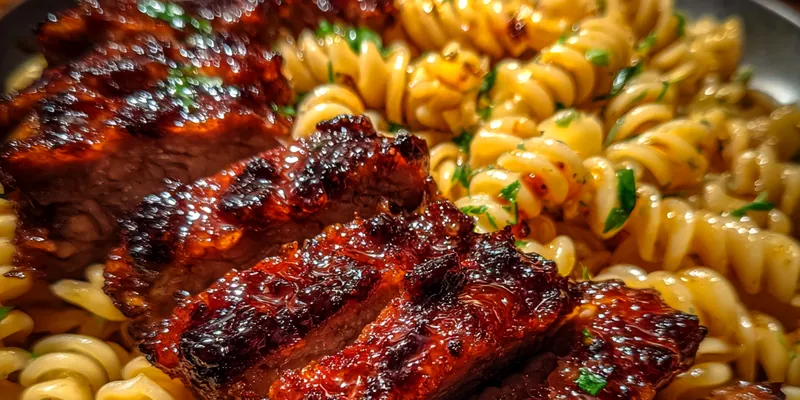
Why This Glazed Steak with Rotini Pasta Recipe Works
This recipe stands out due to its perfect balance of flavors and textures. The glaze made from soy sauce and brown sugar enhances the natural richness of the steak while providing a sticky, glossy finish. Paired with rotini pasta, it creates a comforting dish that is satisfying and hearty.
The technique of searing the steak before simmering allows for deep flavor development, creating a delicious crust that locks in juices. The pasta absorbs the flavorful glaze, making each bite a delightful experience. This approach ensures a flavorful and tender result that is easy to replicate at home.
💡 Professional Tip
For the best results, use a meat thermometer to check the steak's internal temperature. Aim for around 135°F for medium-rare and allow it to rest before slicing. This helps the juices redistribute, keeping the meat tender and juicy.
Frequently Asked Questions
Yes, you can prepare the components ahead of time. Cook the pasta and store it separately in an airtight container. The steak can be cooked and glazed earlier in the day, then reheated just before serving. This makes it a convenient option for busy weeknights.
If you're looking for a substitute for soy sauce, you can use tamari for a gluten-free option or coconut aminos for a slightly sweeter variant. Both alternatives will maintain the dish's flavor profile while catering to dietary restrictions.
The steak is done when it reaches your desired level of doneness, which can be checked using a meat thermometer. For medium-rare, aim for 135°F. The pasta should be al dente, cooked just enough to be tender but not mushy.
While it's possible to freeze the glazed steak, it's best to freeze it separately from the pasta to maintain texture. Store the steak in an airtight container for up to three months, and reheat it gently. The pasta can be cooked fresh when you're ready to serve.
This dish pairs wonderfully with a side of steamed vegetables or a fresh garden salad. Consider adding garlic bread for extra flavor and texture. A light red wine can complement the savory notes of the steak beautifully.
When stored properly in an airtight container, Glazed Steak with Rotini Pasta can last in the fridge for up to three days. Make sure to let it cool completely before refrigerating to maintain freshness.
Absolutely! You can prepare the steak and sauce in advance and store them separately from the pasta. This way, you can quickly reheat everything when you're ready to eat, making this a great option for meal prep.
To reheat, place the pasta in a skillet over medium heat with a splash of water or broth to prevent sticking. Heat until warmed through. For the steak, you can reheat it gently in the microwave or in a skillet over low heat to avoid drying it out.
Recipe Troubleshooting Guide
Too Dry
Problem: If the steak ends up dry, it may have been overcooked.
Solution: To prevent this, use a meat thermometer and remove the steak from heat as soon as it reaches the desired temperature. Letting it rest afterward helps retain moisture.
Not Crispy Enough
Problem: If the steak lacks a crispy exterior, it may not have been seared properly.
Solution: Ensure the skillet is hot enough before adding the steak. Searing for longer on high heat may help achieve that crispy crust.
Overcooked
Problem: If the steak is overcooked, it will be tough and chewy.
Prevention: Monitor cooking time closely and use a meat thermometer for accuracy. Slice against the grain to enhance tenderness in case it gets overcooked.
Undercooked Center
Problem: If the center of the steak is undercooked, it may not be safe to eat.
Recovery: Return the sliced steak to the skillet for a couple of minutes until fully cooked through to desired doneness.
Burnt Exterior
Problem: If the exterior is burnt but the inside is undercooked, the heat may have been too high.
Prevention: Try searing the steak at a lower heat for a longer time to achieve an even cook without burning.
Flavor Balance
Too Sweet: If the dish is too sweet, add a splash of vinegar or lemon juice to balance the flavors.
Too Salty: If it's too salty, serve with unsalted sides or add a little sugar to counteract the saltiness.
Bland: To fix blandness, enhance the seasoning with additional herbs and spices or a splash of soy sauce.
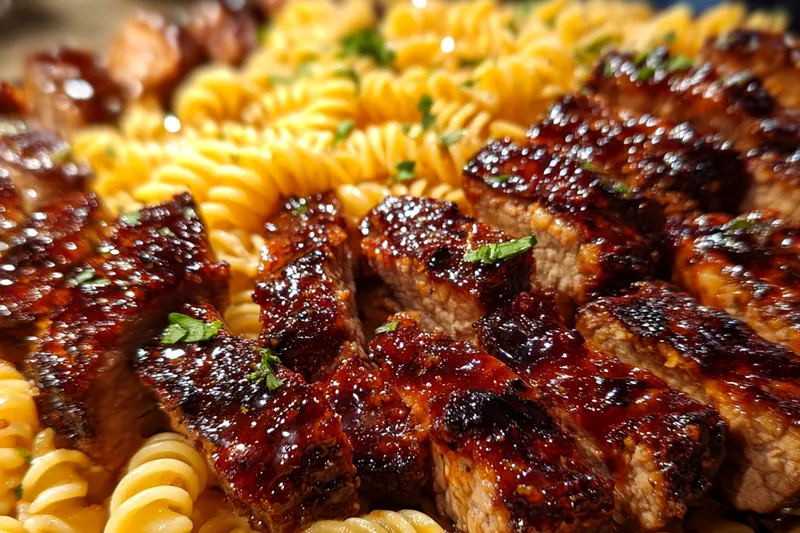
Essential Ingredients for Glazed Steak with Rotini Pasta
The key ingredients in this recipe include sirloin steak, which is known for its tenderness and flavor, and rotini pasta that captures the delicious glaze. Using high-quality soy sauce and fresh garlic enhances the overall taste, making each bite memorable.
When choosing steak, look for cuts with good marbling, which adds flavor and juiciness. The pasta should be cooked al dente to provide the best texture alongside the tender steak.
Essential Ingredient Notes
- Sirloin Steak: Opt for a well-marbled sirloin steak to ensure tenderness. Allow the steak to come to room temperature before cooking for even cooking results.
- Rotini Pasta: Rotini is great for holding onto sauces due to its spiral shape. Be sure to cook it al dente for the best texture in this dish.
- Soy Sauce: Choose a high-quality soy sauce for a deeper flavor. You can also explore low-sodium options for a healthier dish without sacrificing taste.
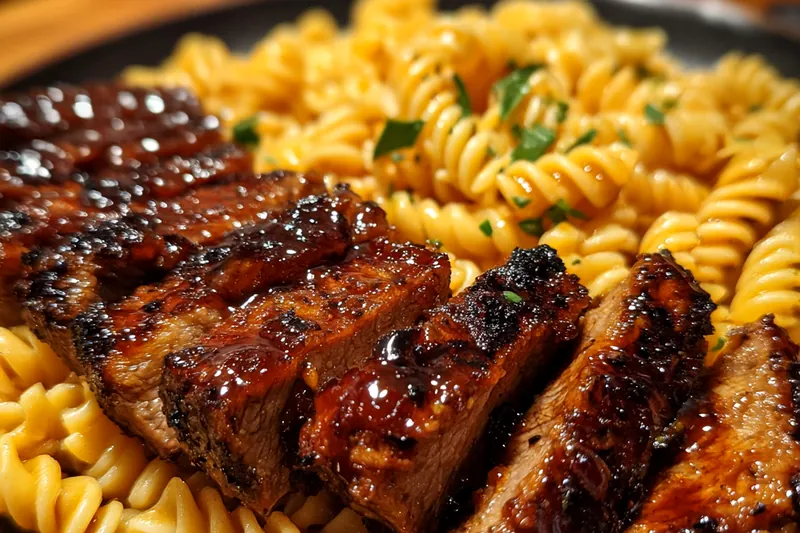
Step-by-Step Cooking Process
The cooking process begins by preparing the ingredients, ensuring everything is ready before you start. Searing the steak is crucial for developing flavor, followed by simmering it in a flavorful glaze. The pasta is cooked separately and then combined with the steak for a complete meal.
Achieving perfect results is about timing and monitoring the cooking processes. Use a timer for the pasta and a meat thermometer for the steak to ensure everything is cooked to perfection. The combination of textures and flavors will leave you and your guests satisfied.
Key Technique for Perfect Glazed Steak with Rotini Pasta
The key to perfect glazed steak lies in the searing process. Searing the steak at high heat creates a flavorful crust while locking in juices, ensuring a tender and juicy interior. This technique combined with the simmering glaze enhances the dish's overall flavor profile.
Glazed Steak with Rotini Pasta
📋 Ingredients
Main Ingredients
- 1 cup beef brothLow sodium preferred
- 1/2 cup soy sauceLow sodium optional
- 1/4 cup brown sugarPacked
- 3 cloves garlic, mincedFresh
- 1 teaspoon ground gingerOptional
For the Sauce
- 2 lbs sirloin steakCut into steaks
- 12 oz rotini pastaCooked al dente
- 1 tablespoon olive oilFor searing
- 1/4 teaspoon black pepperFreshly ground
- 1/4 cup chopped green onionsFor garnish
- 2 tablespoons sesame seedsFor garnish
- Salt to tasteTo season
- Fresh parsley for garnishOptional
Instructions
Cook the Pasta
In a large pot, bring salted water to a boil. Add rotini pasta and cook according to package instructions until al dente. Drain and set aside.
Prepare the Steak
Season the sirloin steak with salt and pepper. In a large skillet, heat olive oil over medium-high heat. Add steak and sear on both sides until browned.
Make the Glaze
In a bowl, mix beef broth, soy sauce, brown sugar, minced garlic, and ground ginger. Pour this mixture over the seared steak in the skillet.
Simmer the Steak
Reduce heat to low and cover the skillet. Let the steak simmer for about 25-30 minutes, flipping halfway through, until tender.
Combine Pasta and Glaze
Once the steak is cooked, remove it from the skillet and let it rest for 5 minutes. Add the cooked rotini pasta to the skillet and stir to coat in the glaze.
Slice the Steak
Thinly slice the glazed steak against the grain. Arrange over the rotini pasta.
Garnish and Serve
Sprinkle with chopped green onions and sesame seeds. Serve hot, garnished with fresh parsley.
Recipe Notes & Tips
Storage Tips
To store, let the dish cool completely and transfer it to an airtight container. It can be kept in the refrigerator for up to three days. Reheat in a skillet over low heat or in the microwave until warmed through.
Serving Suggestions
Serve Glazed Steak with Rotini Pasta with a side of steamed asparagus or a crisp salad for added freshness. Garlic bread also pairs nicely for a complete meal.
Recipe Variations
Feel free to substitute the sirloin steak with flank steak or even chicken for a lighter option. You can also add vegetables such as bell peppers or broccoli to the pasta for extra nutrition.