Artisan Crusty Bread Loaves
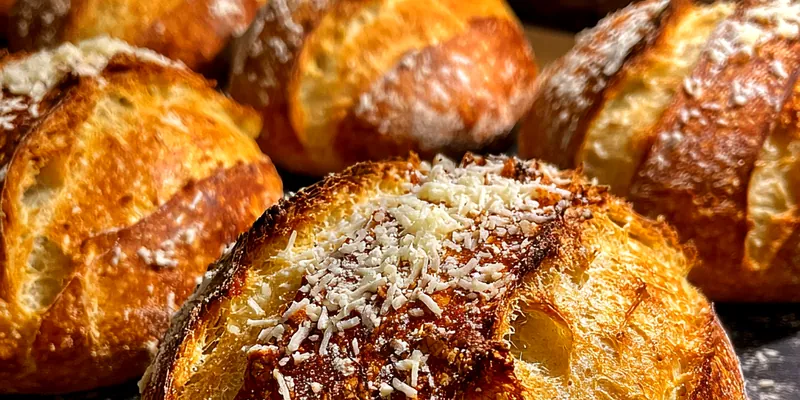
Artisan Crusty Bread Loaves are a delightful addition to any meal or snack. This Italian-style bread features a crispy exterior and a soft, airy interior. Perfect for serving with soups, salads, or simply enjoying with olive oil. Let's dive into this easy yet rewarding bread-making process.

Why This Artisan Crusty Bread Loaves Recipe Works
This recipe combines simple ingredients to create a loaf that is both easy to make and incredibly satisfying. The long fermentation process allows the flavors to develop fully, resulting in an artisan-quality bread. The use of steam while baking creates that coveted crust.
Kneading the dough properly and allowing it to rise adequately are crucial steps that yield the best results. By following this recipe, you will achieve loaves that are beautifully golden and perfectly airy inside, making them ideal for any occasion.
💡 Professional Tip
For the best results, use a kitchen scale to measure your ingredients accurately. This ensures consistency in your dough. Also, try to let your dough rest longer during the rising phase if you have the time; it will enhance the flavor.
Frequently Asked Questions
Yes, you can prepare the dough in advance and refrigerate it after the first rise. This method allows the dough to develop more flavor over time. When you are ready to bake, let it come to room temperature before shaping and proceeding with the second rise.
You can use bread flour for a chewier texture or whole wheat flour for a nuttier flavor. Be aware that these substitutions may alter the hydration level of the dough, so adjust the water content accordingly for the best results.
The bread is done when it reaches an internal temperature of about 200°F (93°C) and has a golden-brown crust. You can also tap the bottom of the loaf; if it sounds hollow, it's a good indicator that it's fully baked.
Absolutely! After the loaves have cooled completely, wrap them tightly in plastic wrap and then in aluminum foil. They can be frozen for up to three months. When you're ready to enjoy, thaw at room temperature and reheat in the oven for a few minutes.
These loaves pair beautifully with olive oil, balsamic vinegar for dipping, or you can serve them alongside soups, stews, or salads. They also make excellent sandwiches with your favorite fillings.
Store the bread in a paper bag at room temperature for the best texture. If you need to refrigerate it, place it in an airtight container to prevent it from drying out. It can last about 3-4 days in the fridge.
Yes, you can prepare the dough and allow it to rise before storing it in the refrigerator. This will enhance the flavor and texture. Just remember to bring it back to room temperature before shaping and baking.
To reheat, preheat your oven to 350°F (175°C) and place the loaves directly on the oven rack for about 10-15 minutes. This will help restore the crispy crust while warming the inside.
Recipe Troubleshooting Guide
Too Dry
Problem: The bread comes out dry and crumbly.
Solution: This can happen if too much flour was added while kneading. Make sure to measure your flour accurately and avoid adding more than needed. Hydration is key for keeping the bread moist.
Not Crispy Enough
Problem: The crust isn't as crispy as desired.
Solution: Ensure that you're using steam in the oven during baking, as this helps create a crust. You can also bake the bread longer if the crust needs more color or texture.
Overcooked
Problem: The bread has a dark crust and dry texture.
Prevention: Check the oven temperature with an oven thermometer to ensure accuracy. Consider reducing the baking time slightly if you notice the crust darkening too quickly.
Undercooked Center
Problem: The inside of the bread is doughy.
Recovery: If this happens, return the bread to the oven for a few additional minutes and check the temperature again. Cover the top with foil if it begins to brown too much while cooking.
Burnt Exterior
Problem: The outside of the bread is burnt while the inside remains raw.
Prevention: Lower the oven temperature and extend the baking time. This allows the bread to cook through without burning the crust.
Flavor Balance
Too Sweet: If the bread is too sweet, reduce the sugar in the recipe next time.
Too Salty: For an overly salty loaf, use less salt in the dough or opt for unsalted butter or olive oil.
Bland: To enhance flavor in bland bread, consider adding herbs, garlic, or cheese for a more robust taste.
Essential Ingredients for Artisan Crusty Bread Loaves
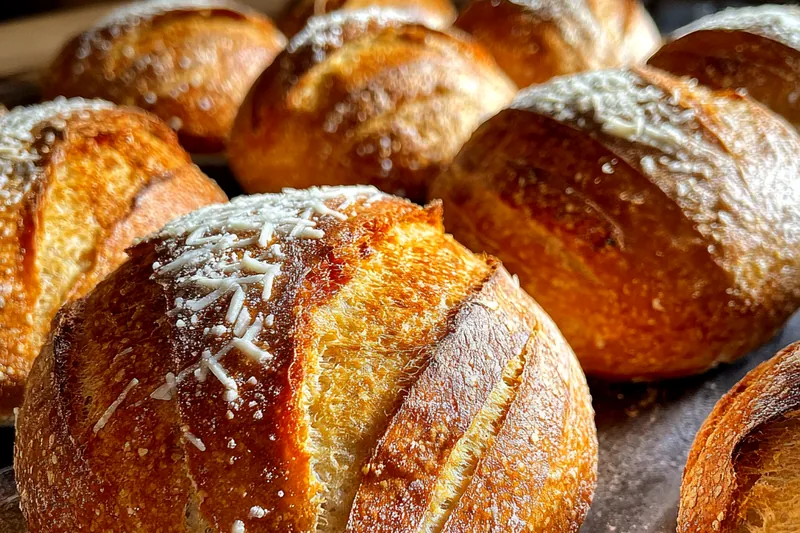
Key ingredients for this recipe include high-quality flour, yeast, and salt. These form the backbone of any great bread. The quality of these ingredients directly affects the flavor and texture of the final loaf.
Opt for all-purpose flour or bread flour for the best results. Fresh yeast will yield a better rise, while sea salt enhances the bread's overall flavor. Using good olive oil adds richness to the dough.
Essential Ingredient Notes
- All-Purpose Flour: Choose a high-protein flour for better gluten development, leading to a better rise and structure. Avoid old flour that may hinder the fermentation process.
- Yeast: Instant yeast is preferred for its ease of use, but active dry yeast can also work. Always check the expiration date to ensure potency for optimal bread rise.
- Olive Oil: Using high-quality extra virgin olive oil not only enhances flavor but also contributes to a moist crumb. Look for oil with a rich flavor profile for the best results.
Step-by-Step Cooking Process
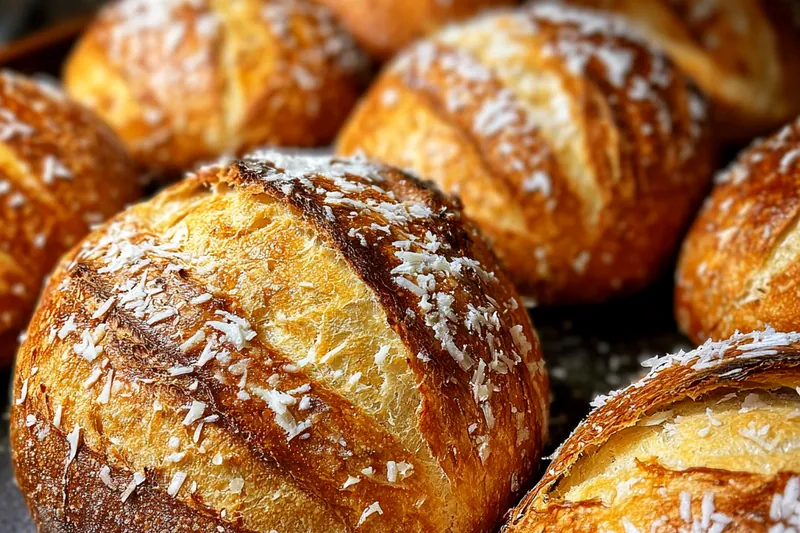
The cooking process for Artisan Crusty Bread Loaves is straightforward but requires attention to detail. Start with mixing the dry and wet ingredients, then knead the dough until smooth and elastic.
Allowing the dough to rise properly is key to the texture of the bread. Follow the timing closely for the best results, and don’t skip the steam element during baking for that perfect crust.
Key Technique for Perfect Artisan Crusty Bread Loaves
The most important technique for achieving perfect Artisan Crusty Bread Loaves lies in the kneading and rising processes. Proper kneading develops gluten, while adequate rising allows the flavors to mature and the structure to form.
Artisan Crusty Bread Loaves
📋 Ingredients
Main Ingredients
For the Sauce
- 4 cups all-purpose flourFor the dough
- 1 1/2 cups warm waterAround 110°F
- 1 tablespoon saltFor flavor
- 1/2 teaspoon instant yeastFor leavening
- 1 tablespoon sugarOptional for sweetness
- 1/4 cup olive oilFor richness
- 1 tablespoon cornmealFor dusting
- 1 tablespoon vinegarAdds flavor
- 1 teaspoon garlic powderOptional for flavor
- 2 tablespoons dried herbs (optional)For added taste
- 1 tablespoon sesame seeds (optional)For toppings
- 1/4 cup chopped olives (optional)For a Mediterranean twist
- 1/4 cup grated Parmesan cheese (optional)For flavor
Instructions
Mix Dry Ingredients
In a large bowl, combine the flour, salt, instant yeast, and sugar. Mix well to incorporate the dry ingredients.
Add Wet Ingredients
Pour in the warm water, olive oil, and vinegar. Stir until the dough begins to form.
Knead the Dough
Transfer the dough to a floured surface and knead for about 10 minutes until smooth and elastic.
First Rise
Place the kneaded dough in a greased bowl and cover it with a damp cloth. Let it rise in a warm place for 1-2 hours or until doubled in size.
Shape the Loaves
Punch down the risen dough and divide it into two equal pieces. Shape each piece into a loaf and place them on a baking sheet dusted with cornmeal.
Second Rise
Cover the loaves with a cloth and let them rise for another 30-45 minutes.
Preheat the Oven
Preheat your oven to 450°F (230°C). Place an empty baking tray on the bottom rack to create steam.
Bake the Loaves
Make a few slashes on top of the loaves with a sharp knife. Place in the oven and pour a cup of water into the hot baking tray. Bake for 30-35 minutes or until golden brown.
Cool and Serve
Remove the loaves from the oven and let them cool on a wire rack before slicing. Serve fresh.
Recipe Notes & Tips
Storage Tips
To keep your Artisan Crusty Bread Loaves fresh, store them in a paper bag or wrapped in a kitchen towel at room temperature. Avoid plastic bags as they trap moisture and make the crust soft. If you need to store them for longer, consider freezing.
Serving Suggestions
Enjoy Artisan Crusty Bread Loaves fresh out of the oven with a drizzle of olive oil and balsamic vinegar. They also make a delightful accompaniment to soups, salads, or as a base for bruschetta.
Recipe Variations
Feel free to customize this recipe by adding ingredients like olives, sun-dried tomatoes, or fresh herbs to the dough. You can also experiment with different flours for unique textures and flavors.